TDEE Calculator•
An estimate, held lightly

Tdee calculator for weight loss

Use the calculator to estimate daily energy needs from the information you enter, then compare the result with your normal routine over time.

Whole foods arranged in translucent apricot, green, raspberry and sky energy fields
Your local estimate will appear here.

Adult-only tool. For anyone under 18, the calculator does not calculate a calorie target; please consult a qualified health professional. A tdee calculator for weight loss is most useful as a starting estimate that you compare with a consistent routine.

Neutral torso sculpture with apple, oats and beans in a resting-energy field

01 / resting energy

Tdee calculator for weight loss baseline

this calculator describes total daily energy expenditure as the energy used across a day: rest, digestion, daily movement, and structured activity. The result is not a metabolism measurement. It is a transparent prediction that gives you a place to begin observing your routine.

A tdee calculator for weight loss is most useful when it stays honest about uncertainty. Sleep, illness, training volume, body mass, medication, and ordinary variation can all shift expenditure. the tool keeps the estimate visible without turning it into a promise.

Here, the estimate uses Mifflin-St Jeor for adults: female BMR = 10 × kg + 6.25 × cm − 5 × age − 161; male BMR = 10 × kg + 6.25 × cm − 5 × age + 5. TDEE is BMR multiplied by the activity factor you choose. Use a tdee calculator for weight loss to organize the inputs, then review the result against longer-term observations.
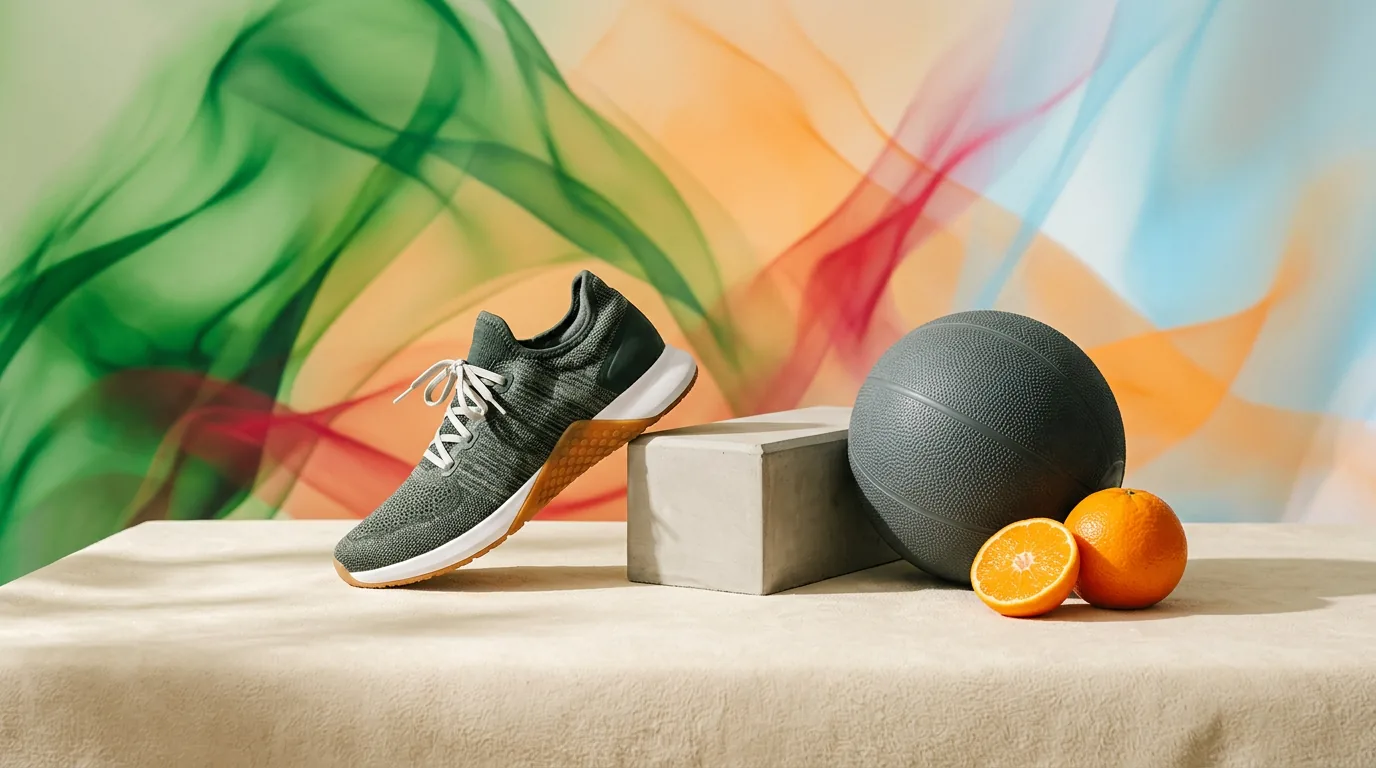
Training shoe, step marker, ball and citrus in an activity energy field

02 / activity

Tdee calculator activity levels

the calculator treats activity as a practical description, not a score to maximize. A mostly seated workday, habitual walking, training sessions, active caregiving, and physical work can each change the estimate. Pick the category that resembles an ordinary week, then revisit it when your routine changes.

The activity factors used here are 1.2, 1.375, 1.55, 1.725, and 1.9. They simplify a complicated real world. this calculator invites you to compare the number with consistent food and trend observations rather than assume a category captures every day.

03 / target

Tdee calculator for weight loss calorie target

the tool presents an estimated maintenance value and a modest planning range below it. It does not prescribe an aggressive intake, a rate of loss, or a result. A tdee calculator for weight loss can organize a conversation with your own habits; it cannot replace clinical care or assess what is appropriate for you.

Use the range as a starting point for regular meals and realistic routines. If your longer-term observations do not match the model, revisit the inputs before making a large change. the estimate favors recalibration over dramatic reaction.

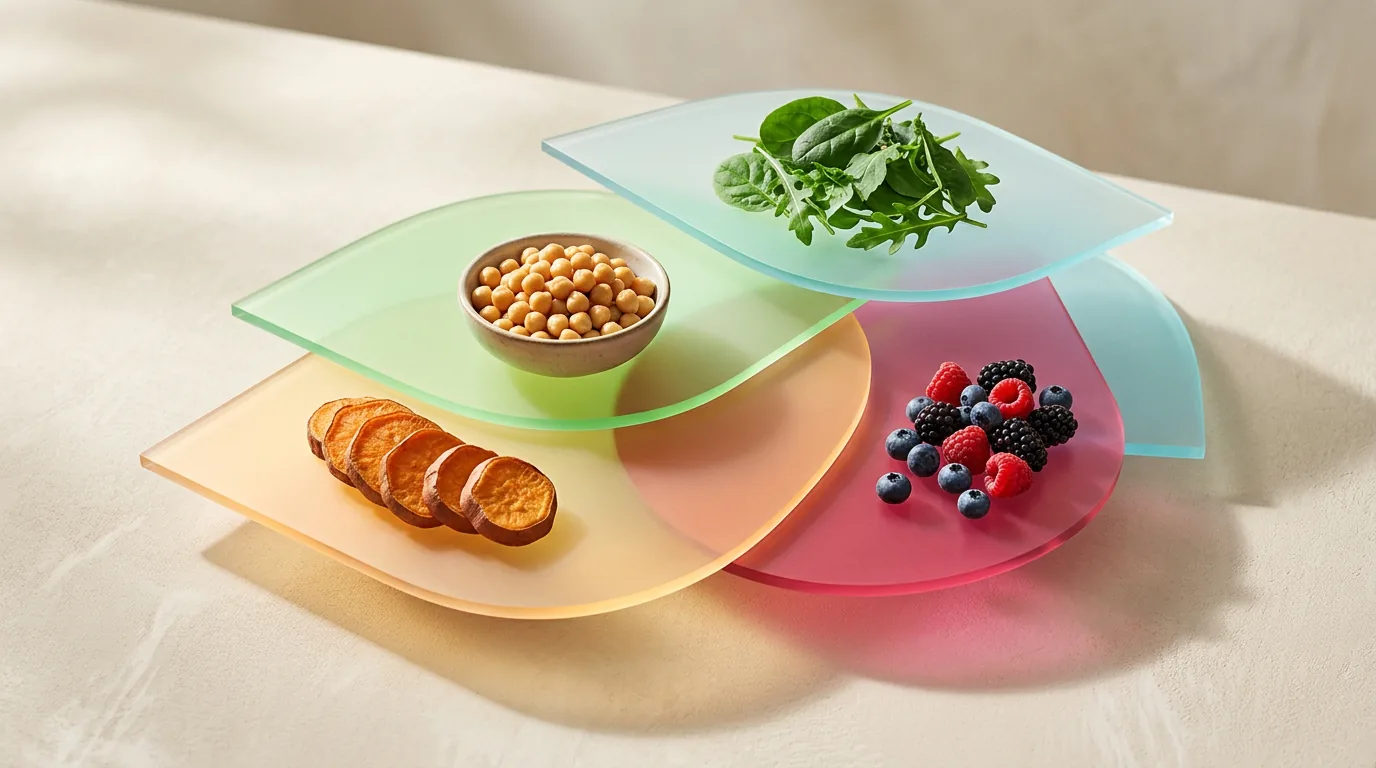
Whole-food portions arranged across overlapping colored energy surfaces
Meal components and macro foods arranged in a colorful still life

04 / food log

Tdee calorie calculator inputs

the calculator connects a calorie estimate with the everyday question of what was eaten. Meals, snacks, drinks, restaurant portions, and weekend patterns can make an estimate easier or harder to evaluate. A written food note can reveal patterns without requiring perfection.

A tdee calculator for weight loss works better when the comparison is consistent. this calculator recommends looking at familiar portions and repeated routines over time, not trying to explain a whole trend with a single meal or weigh-in. You control what you record; this page stores nothing.

05 / science lens

Tdee calculator for weight loss food tracking

the tool chose a widely used predictive equation because it uses accessible inputs and makes the calculation inspectable. Predictive equations estimate resting energy; they are different from indirect calorimetry or other clinical measurement methods. An equation can be practical without being exact for every individual.

TDEE Calculator makes the activity multiplier explicit so you can understand where the estimate came from. That clarity matters: a number should be easy to question, revise, and discuss with a qualified professional when needed.

Abstract profile tokens, measuring tools and grains on a calm color field
Physical contour layers, pear, grains and measuring ribbon suggesting a trend

06 / progress

Calories calculator and daily intake

TDEE Calculator avoids treating a single weigh-in as a verdict. Water balance, glycogen, digestion, sodium, menstrual-cycle changes, and ordinary timing can shift a short-term reading. Repeated measurements under similar conditions can show direction more clearly than one day.

When intake notes and a longer trend do not resemble the prediction, TDEE Calculator suggests checking activity assumptions, familiar portions, and changes in routine. The point is to learn from your evidence, not to chase a perfect formula.

07 / quality

Tdee calculator for weight loss progress

TDEE Calculator recognizes that a daily energy total is only one part of eating well. Protein-rich foods, fruit, vegetables, grains, fiber-rich choices, sleep, enjoyment, culture, and access all matter to a repeatable pattern. A tdee calculator for weight loss cannot grade a diet or determine nutritional adequacy.

Build meals that fit your life and seek individualized support when nutrition, health, or medication needs are complex. TDEE Calculator is a planning aid, not a treatment plan.

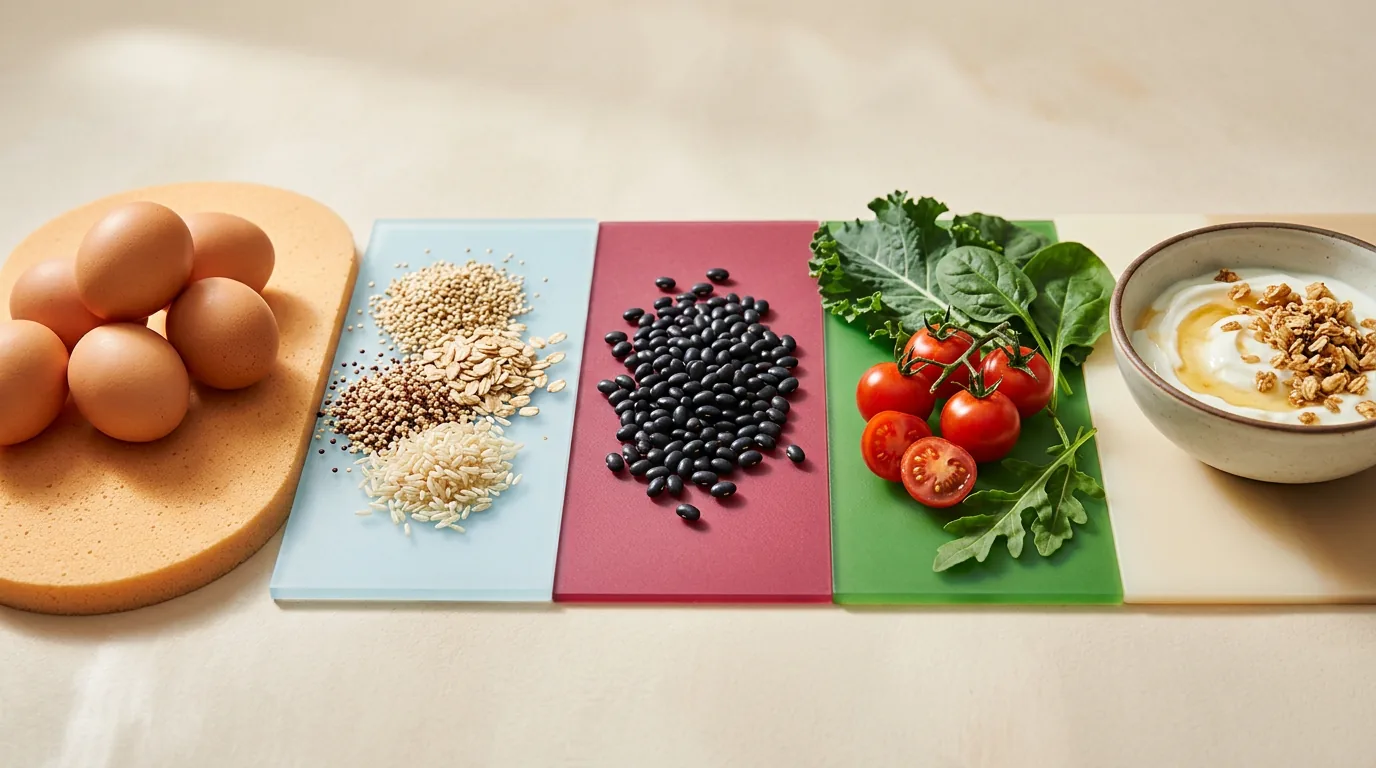
Protein foods, fruit, vegetables and grains in a nutrition-quality still life
Two glass measuring vessels in convergent colorful fields with oats and citrus

08 / recalibration

Total daily energy expenditure explained

TDEE Calculator keeps the feedback loop simple: estimate, observe, and reconsider. If training, work, body weight, sleep, or health circumstances change, calculate again and compare the new model with your observations. A tdee calculator for weight loss should become more useful through careful context, not more rigid through repeated searching.

Recalculate when training, work patterns, body weight or daily movement change enough to alter your usual routine.

TDEE Calculator also leaves room for the parts of health a formula cannot see. TDEE Calculator does not know whether a meal is culturally important, whether access to food is changing, whether an exercise routine is enjoyable, or whether a number feels difficult to use. TDEE Calculator cannot infer medical history, recovery needs, stress, or the many reasons a routine may change. Instead, TDEE Calculator keeps the calculation narrow: it is a visible estimate made from the values entered at this moment. That boundary lets you decide whether the next useful step is simply to observe, to adjust a routine gradually, or to talk with a qualified professional. TDEE Calculator encourages curiosity and consistency rather than self-criticism. A calm record of ordinary meals and ordinary weeks can be more informative than an intense attempt to make every day identical. For this reason, a tdee calculator for weight loss belongs beside reflection, not rigid rules. TDEE Calculator treats the estimate as one piece of a broader picture. Over time, a tdee calculator for weight loss can help you notice whether ordinary routines changed, while TDEE Calculator leaves the interpretation in your hands.

Keep your own notes if you want to compare estimates over time; consistent measurements make the trend easier to interpret.

09 / questions

Tdee calculator women and men

Is this estimate accurate?

It is a useful starting estimate, not direct measurement. Individual energy needs can differ from any predictive equation.

Why is no target shown for minors?

Calorie targets for under-18s require context beyond this adult equation. TDEE Calculator directs minors to a qualified health professional.

Does exercise change the estimate?

Movement and training can affect energy expenditure. Choose a typical activity pattern, then revisit it when routine changes.

Should I follow the number exactly?

No. TDEE Calculator presents a working estimate for planning and observation, not a medical instruction.

Calm final still life of oats, apple, vegetables and grains

10 / quiet output

What is my tdee

Use the estimate as general planning information. Individual energy needs can differ, especially when health conditions, pregnancy, medications or eating concerns are involved.

If you are pregnant or breastfeeding, under 18, have an eating disorder or a history of disordered eating, have a condition affecting weight or metabolism, or take medication that affects appetite or body weight, seek individualized guidance from a qualified healthcare professional before using a calorie target for weight loss.

Calculate My TDEE